Micronutrient Gaps on GLP-1 Medications: Which Nutrients Need Attention
GLP-1 medications reduce appetite. That is how they work, and it is why they help people lose weight. But eating much less also means taking in fewer vitamins and minerals unless the diet is planned with care.
The main idea of this article is simple:
GLP-1 medications do not necessarily cause nutrient deficiencies directly. The problem is indirect. People often eat significantly less, their diet may become less varied, and side effects such as nausea, vomiting or diarrhea can reduce nutrient and fluid intake even further. This article explains why, which nutrients deserve attention, who is at higher risk, which signs to look for, and which blood tests may be considered.
This article covers semaglutide, tirzepatide and retatrutide. Other GLP-1 drugs, such as liraglutide, are not covered. Retatrutide is investigational and not approved.
Note: This article summarizes published research and reference sources. It is not medical advice and does not recommend specific supplements or doses. Whether you need blood tests or supplements is a decision for you and your physician or dietitian.
Overview
| Nutrient | Why it may be affected | Typical test |
|---|
| Iron | Low intake, heavy menstrual bleeding, plant-based diets | Ferritin, transferrin saturation, blood count |
| Vitamin B12 | Low intake of animal foods, absorption problems | Serum B12 (MMA if borderline) |
| Folate | Low intake of vegetables, legumes and fruit | Serum or red cell folate |
| Vitamin D | Often low before treatment; few food sources | 25(OH)D |
| Calcium | Less dairy or fortified food | Serum calcium (limited value) |
| Magnesium | Low intake, diarrhea | Serum magnesium (limited value) |
| Zinc | Low intake, plant-based diets, diarrhea | Serum zinc (limited value) |
| Thiamine (B1) | Very low intake, persistent vomiting | Clinical judgment; blood levels unreliable |
| Sodium, potassium | Vomiting, diarrhea, dehydration | Electrolyte panel |
1. Why Eating Less Also Means Getting Less
Vitamin and mineral needs do not fall in proportion to calorie needs. Someone who used to eat 2,500 kcal per day and now eats 1,500 kcal has cut energy intake by 40%, but their need for iron, calcium or magnesium is largely unchanged.
A joint advisory of four U.S. nutrition and obesity organizations reports that GLP-1 drugs reduce energy intake by 16% to 39%. It states that this can lead to insufficient vitamin and mineral intake, especially at energy intakes below 1,200 kcal per day for women or 1,800 kcal per day for men. Nutrients of concern it lists are iron, calcium, magnesium, zinc and vitamins A, D, E, K, B1, B12 and C.³ It also notes that gastrointestinal side effects can further compromise nutrient absorption.³
Appetite suppression has a second effect: the diet often becomes narrower. Some people tolerate only a few foods or avoid meat or dairy because of aversions. Nausea, vomiting and diarrhea, which are common during dose escalation, reduce both food and fluid intake. The European product labels of Wegovy and Mounjaro warn that gastrointestinal effects can cause dehydration, which in rare cases can worsen kidney function.¹
Evidence tier: Expert consensus and product labels.
2. Many People Start With Gaps Already
Obesity does not mean good nutrition. A 2024 narrative review on nutrition during antiobesity medication states that people with obesity frequently show biochemical evidence of deficiency in vitamin D, B12, folate, thiamine, iron and zinc, and often have inadequate intakes of calcium, magnesium and vitamins A, E and C.² For vitamin D, the NIH fact sheet adds that fat tissue sequesters the vitamin, so people with a BMI of 30 or more have lower circulating levels.⁹
A deficiency found after several months of treatment may have been present all along. Both the review and the advisory therefore recommend a nutritional assessment before treatment starts, including usual diet, weight history, symptoms and, where appropriate, laboratory tests.²˒³
Evidence tier: Narrative review (funded by Eli Lilly; two authors are Lilly employees)² and expert consensus.³
3. What the Data Show, and What They Do Not
Recorded diagnoses
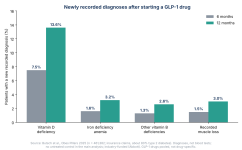
The largest dataset is an insurance claims analysis of 461,382 adults newly prescribed a GLP-1 receptor agonist (Butsch et al., 2025). About 80% had type 2 diabetes. At 6 and 12 months, a new nutritional deficiency or related complication was recorded in 12.7% and 22.4% of patients. Vitamin D deficiency was most common (7.5% and 13.6%), followed by iron deficiency anemia (1.6% and 3.2%) and other vitamin B deficiencies (1.3% and 2.6%).⁴
These numbers have clear limits. They are billing diagnoses, not blood results. The main analysis had no untreated comparison group. In a matched comparison of patients with type 2 diabetes, 18.6% of those on a GLP-1 drug plus metformin had a recorded deficiency at 12 months, against 16.5% on metformin alone. The difference was statistically significant but small.⁴ The study was funded by Abbott, which sells nutritional products.⁴ A 2026 narrative review of six studies (480,825 adults) stated that causality "cannot be definitively established," and none of its included studies reported tirzepatide-specific data.⁶
What people eat
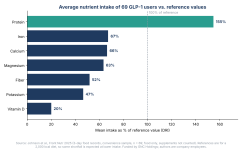
A small cross-sectional study (Johnson et al., 2025; 69 adults, mostly on semaglutide or tirzepatide) used three-day food records. Average intake was about 1,750 kcal and 77 g of protein per day. Measured against reference intakes for a 2,000 kcal diet, average intake was 20% of the vitamin D reference, 47% for potassium, 52% for fiber, 63% for magnesium, 66% for calcium and 67% for iron.⁵ Supplements were not counted, and there was no pre-treatment baseline. The study was funded by GNC Holdings, and all authors work for the company.⁵
 Evidence tier:
Observational data only; they cannot show how much the medication causes.
4. Key Nutrients to Watch
Iron
Iron deficiency can develop when intake falls or losses are high. The NIH fact sheet identifies women with heavy menstrual bleeding as a major risk group, and vegetarians need about 1.8 times more iron because plant iron is less well absorbed.⁹ In the claims data, iron deficiency anemia was recorded in 3.2% of patients at 12 months.⁴ A small study cited in the 2026 review (51 people) suggested reduced iron absorption in semaglutide users; this is unconfirmed.⁶
Vitamin B12
B12 comes almost only from animal foods, so vegetarians and vegans are at higher risk. Celiac disease, Crohn's disease, stomach surgery, and long-term use of metformin or acid-reducing drugs also reduce absorption. Symptoms can take years to appear.⁹ No GLP-1 study reports B12 separately; it falls under "other vitamin B deficiencies."⁴˒⁶
Folate
Folate comes from leafy vegetables, legumes and fruit, which are eaten less when appetite is low. Deficiency causes megaloblastic anemia (large, immature red blood cells).
Vitamin D
Vitamin D is the most frequently recorded deficiency in the GLP-1 data.⁴ In adults, deficiency can cause bone pain, osteomalacia and muscle weakness. A 25(OH)D below 30 nmol/L (12 ng/mL) indicates risk of deficiency.⁹
Calcium
Calcium intake can fall when dairy is reduced. About 98% of the body's calcium is in bone, so a long-term shortfall affects bone, but blood calcium is tightly regulated and does not reflect intake.⁹ Calcium deficiency was rarely recorded in the claims data (fewer than 0.05%).⁴
Magnesium
Symptomatic magnesium deficiency is uncommon in healthy people because the kidneys conserve it, but chronic diarrhea, gastrointestinal disease and type 2 diabetes raise losses.⁹ Intake was about 63% of the reference in the small intake study.⁵
Zinc
Zinc deficiency is more likely in vegetarians and vegans (phytates bind zinc), in people with gastrointestinal disease, and with ongoing diarrhea. Deficiency can impair taste and smell and slow wound healing.⁹ In the intake study, average zinc intake was adequate.⁵
Thiamine (vitamin B1)
Thiamine deficiency is rare in the GLP-1 data (0.02% at 6 months and 0.05% at 12 months),⁶ but the consequences can be severe: Wernicke encephalopathy, the acute form, can be fatal without treatment.⁹ A 2026 case report describes a 49-year-old woman who developed confusion, gait difficulty and visual symptoms after a tirzepatide dose increase followed by persistent vomiting. She improved with thiamine but was later found to have optic nerve damage. The author calls the case "likely multifactorial" and the drug link "a possible association."⁷ The report also cites FDA adverse event reports in which Wernicke encephalopathy appeared disproportionately for these drugs, mostly with nausea, vomiting or reduced intake;⁷ such reports cannot prove causation or give a rate.
The bariatric surgery guideline lists malnutrition and excessive or rapid weight loss among the risk factors for thiamine deficiency.⁸ It concerns surgical patients, not GLP-1 users. Blood thiamine levels are not reliable indicators of status,⁹ and the 2026 review advises starting thiamine without waiting for lab confirmation when deficiency is suspected.⁶
5. Electrolytes: Sodium, Potassium and Magnesium
Electrolytes concern fluid balance, not only diet quality. Vomiting, diarrhea and low fluid intake can change them quickly.¹
Sodium. Fluid loss through vomiting or diarrhea can lower blood sodium (hyponatremia). Mild cases cause fatigue and trouble concentrating; moderate levels add cramps, nausea, vomiting and drowsiness; severe levels cause confusion or seizures.¹⁰
Potassium. Vomiting and diarrhea cause potassium loss, and severe or chronic diarrhea is the most common non-renal cause of low potassium. Symptoms include muscle weakness, fatigue, cramps, palpitations and constipation, and in severe cases heart rhythm disturbances.¹⁰ Average potassium intake was under half of the reference value in the small intake study.⁵
Magnesium. Low magnesium often coexists with low potassium and can make potassium harder to correct.¹⁰
Practical points: drink enough fluids, report persistent vomiting or diarrhea, and ask for an electrolyte and kidney check if they continue. The Almandoz review suggests a fluid intake above 2 to 3 liters per day for most people.² Do not self-treat with high-dose salt or mineral products.
6. Who May Be at Higher Risk?
No validated risk score exists. Based on the sources above, risk is higher for:
- People eating very few calories, or with very strong appetite suppression.²˒³
- *People with restrictive, monotonous or poorly varied diets.**²
- Vegetarians and vegans (B12, iron, zinc, and calcium if dairy is avoided).⁹
- Women with heavy menstrual bleeding (iron).⁹
- People with gastrointestinal conditions such as celiac disease or inflammatory bowel disease.⁹
- People with previous bariatric or gastric surgery. The Almandoz review calls this a high-risk group needing regular nutritional monitoring.²
- People with prolonged nausea, vomiting or diarrhea (thiamine, electrolytes, fluid).
- Older adults (B12, dehydration), and people with chronic kidney disease, heart failure, or on metformin or acid-reducing drugs.²
Malabsorption occurs after some bariatric operations but is not expected with most antiobesity medications, so the risk may be lower than after surgery.²
7. Possible Signs of Deficiency
Most symptoms are non-specific. They can also come from rapid weight loss itself, low calorie intake, poor sleep or other illness, so they are a reason to ask, not a diagnosis. The advisory lists unexpected fatigue, excessive hair loss, skin flakiness, muscle weakness, poor wound healing and unusual bruising as signs of frank deficiency.³
| Sign | Nutrients sometimes involved |
|---|
| Fatigue, weakness | Iron, B12, folate, vitamin D, potassium, sodium, magnesium |
| Hair loss | Zinc, folate; rapid weight loss is another common cause |
| Muscle cramps, spasms | Magnesium, potassium, calcium, sodium |
| Numbness or tingling | B12, calcium, magnesium |
| Taste changes, slow wound healing | Zinc |
| Bone or muscle pain | Vitamin D |
| Confusion, unsteady walking, vision changes | Thiamine (urgent) |
Seek urgent medical care for confusion, trouble walking, visual changes, or an inability to keep food or fluids down.
8. Blood Tests That May Be Considered
There is no official monitoring schedule for GLP-1 users. The 2026 review suggests (not as a guideline) focused screening during rapid weight loss, a broader panel at about 6 months, and an annual check for long-term users.⁶ Tests most often named:
| Test | What it tells you | Caveat |
|---|
| Complete blood count (CBC) | Anemia; red cell size | Hemoglobin alone is neither sensitive nor specific for iron deficiency⁹ |
| Ferritin | Iron stores | Below 30 µg/L suggests deficiency; inflammation can falsely raise it⁹ |
| Iron panel with transferrin saturation (TSAT) | Iron available to tissues | Falls early in iron-deficient states⁹ |
| Vitamin B12 | B12 status | Methylmalonic acid (MMA) helps clarify borderline results⁹ |
| Folate | Recent folate intake | Red cell folate reflects longer-term status⁹ |
| Vitamin D (25(OH)D) | Vitamin D status | Lab methods vary⁹ |
| Calcium | Gross calcium disturbances | Does not reflect dietary intake⁹ |
| Magnesium | Gross magnesium depletion | Correlates poorly with total body magnesium⁹ |
When indicated: sodium, potassium and kidney function after vomiting, diarrhea or dehydration; zinc (serum levels are affected by infection and weight loss⁹); thiamine (treat on suspicion; blood levels are unreliable⁶˒⁹).
9. Prevention: Food Quality First
- Check the starting point. A baseline dietary and, where appropriate, laboratory assessment separates old deficiencies from new ones.²˒³
- Make each meal count. The advisory recommends diverse, nutrient-dense, minimally processed foods: fruits, vegetables, whole grains, legumes, lean proteins, nuts and seeds. Small, frequent meals can help when appetite is low.³
- Drink enough fluid (see section 5).
- Treat supplements as individual decisions. The advisory says supplements can be proactively considered for at-risk nutrients such as vitamin D, calcium, B12 or a multivitamin-mineral tablet, at appropriate doses tailored to each person.³ The Almandoz review says a complete multivitamin, calcium and vitamin D may be considered, but that a multivitamin alone may not correct existing deficiencies, so targeted supplementation can be needed when one is found.² Neither gives doses, and neither do I. Two datasets cited here come from companies that sell nutritional products.⁴˒⁵
- Do not ignore ongoing vomiting or diarrhea. Report it early. Slower dose escalation or a dose reduction can ease gastrointestinal symptoms.²
10. Semaglutide, Tirzepatide and Retatrutide
Nothing in the evidence reviewed shows that one drug carries a clearly different nutrient risk. Most studies pool GLP-1 drugs, and the 2026 review found no tirzepatide-specific data.⁶ Retatrutide is investigational, and I found no data on vitamin or mineral status with it. Its phase 2 gastrointestinal side effects were dose-related,¹¹ so the same precautions apply: food quality, fluids and attention to persistent symptoms.
11. What the Evidence Does Not Yet Show
- No randomized trial of these three drugs measured micronutrient status as a primary outcome in the sources I found, and whether routine supplementation prevents deficiency has not been tested.²
- Claims data show diagnoses, not blood levels, and had no untreated control.⁴
- Key datasets came from Abbott,⁴ GNC⁵ and Eli Lilly,² all with commercial interests.
- I read only the thiamine and monitoring sections of the bariatric guideline.⁸
Main Takeaway
When you eat less, the quality of what you eat matters more. The goal is not simply to eat less, but to keep micronutrient intake adequate while you lose weight. In practice: know your starting point, choose nutrient-dense food, stay hydrated, watch for persistent vomiting or diarrhea, and base blood tests and supplements on your individual risk, with your physician or dietitian.
References
- Wegovy (semaglutide) and Mounjaro (tirzepatide), Summaries of Product Characteristics. European Medicines Agency, section 4.4. No DOI. Dehydration warning. Holders: Novo Nordisk and Eli Lilly.
- Almandoz JP, Wadden TA, Tewksbury C, et al. Nutritional considerations with antiobesity medications. Obesity. 2024;32(9):1613-1631. DOI: 10.1002/oby.24067. Narrative review; full text read. Funded by Eli Lilly; two authors are Lilly employees.
- Mozaffarian D, Agarwal M, Aggarwal M, et al. Nutritional priorities to support GLP-1 therapy for obesity: a joint advisory from the American College of Lifestyle Medicine, the American Society for Nutrition, the Obesity Medicine Association, and The Obesity Society. Obesity. 2025. DOI: 10.1002/oby.24336. Expert consensus; full text read. Several authors report industry advisory roles.
- Butsch WS, Sulo S, Chang AT, et al. Nutritional deficiencies and muscle loss in adults with type 2 diabetes using GLP-1 receptor agonists: a retrospective observational study. Obes Pillars. 2025;15:100186. DOI: 10.1016/j.obpill.2025.100186. Funded by Abbott; seven authors are Abbott employees.
- Johnson B, Milstead M, Thomas O, et al. Investigating nutrient intake during use of glucagon-like peptide-1 receptor agonist: a cross-sectional study. Front Nutr. 2025;12:1566498. DOI: 10.3389/fnut.2025.1566498. Funded by GNC Holdings; all authors are GNC employees. n = 69.
- Urbina J, Salinas-Ruiz LE, Valenciano C, Clapp B. Micronutrient and nutritional deficiencies associated with GLP-1 receptor agonist therapy: a narrative review. Clin Obes. 2026;16:e70070. DOI: 10.1111/cob.70070. No external funding. Read via an extracted copy.
- Zaidy Y. Wernicke's encephalopathy following tirzepatide therapy in a non-alcoholic patient with autoimmune hepatitis/primary biliary cholangitis and diabetes: a case report. Br J Diabetes. 2026;26(1):23-25. DOI: 10.15277/bjd.2026.502. Single case report.
- Mechanick JI, Apovian C, Brethauer S, et al. Clinical practice guidelines for the perioperative nutrition, metabolic, and nonsurgical support of patients undergoing bariatric procedures – 2019 update. Obesity. 2020;28(4):O1-O58. DOI: 10.1002/oby.22719. Relevant sections read; concerns surgical patients, not GLP-1 users.
- National Institutes of Health, Office of Dietary Supplements. Fact sheets for health professionals: vitamin B12, iron, magnesium, zinc, thiamin, folate, vitamin D, calcium. ods.od.nih.gov. No DOI. Reference fact sheets (eight, cited together).
- Castro D, Sharma S. Hypokalemia, and Rout P, Afzal M. Hyponatremia. In: StatPearls. StatPearls Publishing. No DOI. Clinical reference texts (two chapters, cited together).
- Jastreboff AM, Kaplan LM, Frías JP, et al. Triple-hormone-receptor agonist retatrutide for obesity: a phase 2 trial. N Engl J Med. 2023;389(6):514-526. DOI: 10.1056/NEJMoa2301972. Funded by Eli Lilly; full text read.